I Want a Kitchen Table. What Wood Should it Be?
There’s many factors that go into what wood should be used on a kitchen table. But let’s assume that cost and availability aren’t factors (which, I recognize, are normally big factors). But this is a what I call an ideal — in other words, the real question is this: “What is the IDEAL wood to use for a kitchen table?” I believe the answer is oak, maple, or hickory. But a few honorable mentions deserve a chance as well: cherry & black walnut. We’ll get into why in just a minute, but first a word of explanation. I recall when I was new to woodworking, thinking, “I wonder what makes some woods better than others.” Well, if I’m going to be honest, sometimes it comes down to how it looks. That’s right how it looks. I never would have considered that as a young woodworker, and I’m not certain if it’s obvious to new clients or not, but it can make all the difference. That’s why I’ve provided pictures below as good examples of what each wood looks like up close. Let’s explore.
First, oak. This wood is durable, often coming in with aJanka harness of 1400. Durability like that means it will resist all the dents from plates and dishes. It’s very common. It’s moisture resistant, which means it will resist all those spilled drinks. And it just looks tough & rustic:

Second, maple. Let’s just say it’s got all the properties of aak, but also comes in slightly higher on a Janka scale (more like 1450). Why does this one come in second? For me, I feel like the oak comes out looking a bit more rustic. But let’s say you’re looking for a nice modern looking table with a more smooth-grained look. In that case, Maple it is.

Third, hickory. A Janka hardness of about 1800 makes this the hardest of them all so far. But let’s be honest, it’s actually too hard to work with sometimes. It doesn’t mean it’s a bad wood, it just means it’s less common than the first 2 when it comes to kitchen tables. It sure looks great, though.

Now on to the honorable mentions: cherry & walnut. Let’s look at cherry first, actually, and compare it to hickory. To me, they look quite close to each other grain-wise, just the cherry has a bit more of a natural red hue (and hence the name). And with a Janka of about 950, cherry is easier to shape & work with, but still considered a pretty hard wood. Now compare:
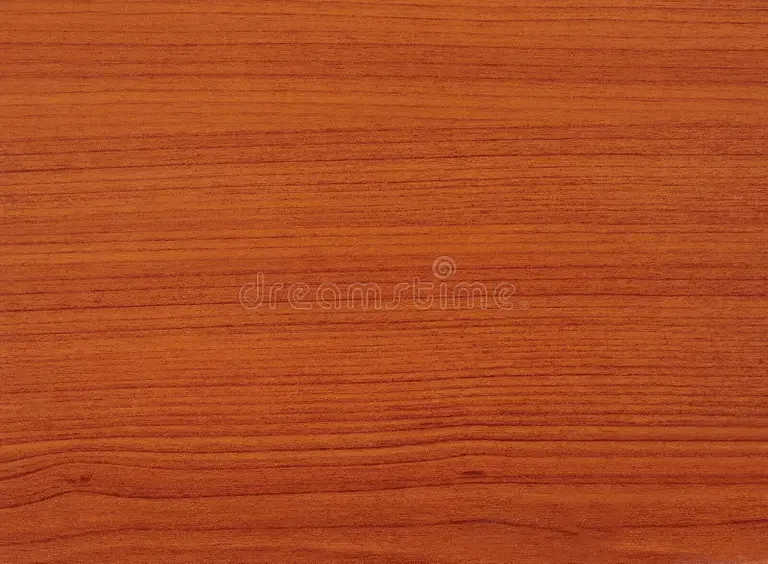
Now walnut. Black walnut is on this list because not only is it hard (about 1,000 Janka rating), but it looks fantastic! It’s dark and mysterious. But these thing make it less common than oak, maple or hickory. Basically, if it’s a naturally dark look you’re interested in, look no further. It’s found right here:

In summary, find the wood you want in your kitchen table first by how it looks, then by things like commonality, durability, cost, and availability. Those things come second. And if you’re like me and you enjoy all of them, let your local woodworker decide. Tell him what you’re “looking for,” and they’ll blow you away with a nicely crafted kitchen table. Building tables is a staple for us here at Plane Truth Woodworks. Don’t hesitate to reach out if you’ve got questions about what to make your kitchen table out of. Or hire us to do it for you!


Comments